
8 minutes read

Data Controllers Under GDPR: Key Obligations for Businesses

Data Controllers Under GDPR Key Obligations for Businesses - icon

Table of Contents

Introduction

Businesses that process personal data, especially in e-commerce and SaaS environments, must understand their responsibilities under the General Data Protection Regulation (GDPR). Whether operating a Shopify store, managing customer data across multiple jurisdictions, or offering digital services globally, organizations that determine how and why data is used are data controllers. These entities bear primary responsibility for ensuring compliance with data protection requirements and safeguarding the rights of data subjects.

At a high level, data controllers must process personal data lawfully, implement robust data security practices, and demonstrate compliance through clear documentation and governance frameworks. The GDPR applies not only to businesses established within the European Union but also to those outside it if they offer goods or services to EU residents or engage in regular and systematic monitoring of their behavior. This broad territorial scope makes GDPR compliance essential for cross-border commerce, particularly for SaaS providers and online retailers that handle customer data at scale.

Overview of the General Data Protection Regulation (GDPR) for Controllers

The General Data Protection Regulation establishes a comprehensive framework for data protection, designed to safeguard personal data and harmonize privacy rules across the European Union. For data controllers, the regulation imposes strict data protection obligations governing every stage of personal data processing, from collection to deletion. These obligations are based on fundamental data protection principles like lawfulness, fairness, transparency, purpose limitation, data minimization, and storage limitation.

Controllers must demonstrate GDPR compliance by maintaining records of processing activities, conducting risk assessments, and implementing appropriate technical and organisational measures. Accountability is central to EU data protection law, meaning that organizations must not only comply with the rules but also be able to demonstrate compliance. This includes adopting internal data protection policies, appointing a data protection officer where required, and ensuring that all processing activities align with applicable legal frameworks.

Role of the Data Controller and Distinction From Data Processor

A data controller is the entity that determines the purposes and means of processing personal data. This role carries the highest level of responsibility under the GDPR because controllers decide why data is collected and how it is used. In contrast, a data processor acts on behalf of the controller and processes data only according to the controller’s instructions.

The distinction is critical for compliance. While processors must follow documented instructions and implement security measures, the controller remains ultimately accountable for ensuring that all data processing operations meet GDPR requirements. In cases where two or more controllers jointly determine the purposes and means of processing, they are considered joint controllers and must clearly allocate responsibilities in a transparent arrangement. This ensures that data subjects understand how their personal data is handled and who is responsible for protecting it.

Processor’s Responsibilities

Although the primary burden of GDPR compliance rests with the controller, the processor’s responsibilities are also clearly defined. A data processor must process personal data strictly in accordance with the controller’s instructions and cannot use the data for its own purposes. This ensures that all data processing activities remain aligned with the controller’s legal obligations and intended purposes.

Processors are also required to implement appropriate security measures to protect personal data and to notify the controller without undue delay in the event of a personal data breach. Contracts between controllers and processors must outline the scope of processing, categories of data subjects, and technical and organisational measures in place. These agreements are essential to ensure compliance and to establish accountability across all parties involved in data processing operations.

wires with head

Lawful Bases, Purpose Limitation, and Personal Data Processed

Under the GDPR, every instance of personal data processing must be based on a valid legal ground. Controllers must identify and document a lawful basis, such as consent, contract performance, legal obligation, legitimate interests, or public interest, before processing data. Without a lawful basis, any data processing activity is considered unlawful, exposing the organization to enforcement risks.

Purpose limitation is another cornerstone of data protection principles. Controllers must ensure that personal data is collected for specified, explicit, and legitimate purposes and not further processed in a manner incompatible with those purposes. This requirement must be clearly reflected in easily accessible privacy notices. Additionally, organizations must classify the types of personal data they process, including sensitive personal data, which requires enhanced safeguards due to its higher risk to affected individuals.

Data Collection, Minimisation, and Retention

Effective data protection begins at the point of data collection. Controllers must ensure that they collect only the minimum amount of personal data necessary for a specific purpose, in line with the principle of data minimisation. Excessive or irrelevant data collection not only violates GDPR requirements but also increases the risk associated with data breaches.

Retention policies must also be clearly defined. Personal data should not be stored indefinitely; instead, controllers must establish a retention period aligned with the purpose of processing and legal obligations. Once the data is no longer necessary, it must be securely deleted or anonymized. Storage limitation ensures that organizations reduce unnecessary exposure and maintain control over stored data, while also supporting broader data protection compliance efforts.

Rights of Data Subjects and Operational GDPR Compliance Measures

The GDPR grants extensive rights to data subjects, including the right to access, rectify inaccurate data, erase data, restrict processing, object to processing, and request data portability. Controllers must establish processes to handle such requests efficiently and within the required timeframe, typically one month. Failure to respond appropriately can lead to complaints to supervisory authorities and potential penalties.

Transparency is a key component of data privacy. Controllers must provide clear and concise information about how personal data is processed, including the purposes, legal bases, recipients, and retention periods. These details must be communicated through privacy notices that are easily accessible and written in plain language. Ensuring compliance with these requirements builds trust and empowers data subjects to exercise their rights effectively.

Technical and Organisational Measures to Prevent Data Breaches

To protect personal data, controllers must implement robust technical and organisational measures. These include encryption, access controls, and role-based permissions that limit access to relevant data only to authorized personnel. Such measures help safeguard the confidentiality and integrity of personal data processing activities.

In addition to technical safeguards, organizations must adopt privacy-by-design and privacy-by-default principles. This means embedding data protection into systems and processes from the outset, rather than treating it as an afterthought. Conducting a data protection impact assessment (DPIA) for high-risk processing activities allows controllers to identify and mitigate risks before they materialize, ensuring a proactive approach to data security.

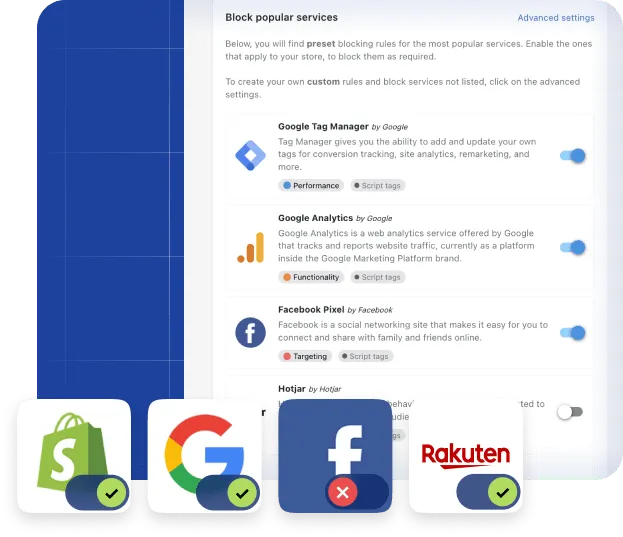
Make Your Shopify Store GDPR & Cookie Compliant in Minutes
Automatically manage cookie consent, block tracking before user approval, and stay compliant with GDPR, CCPA, LGPD, UK GDPR and Google Consent Mode v2 — without coding.

Detection, Data Breach Notification Obligations, and Reporting

Despite best efforts, data breaches can still occur. Under the GDPR, controllers have strict notification obligations. They must notify the relevant supervisory authority within 72 hours of becoming aware of a breach that affects personal data, unless it is unlikely to result in a risk to individuals’ rights and freedoms.

When a breach poses a high risk, controllers must also notify affected data subjects without undue delay. Notifications should include details about the nature of the breach, categories of data affected, potential consequences, and measures taken to mitigate the impact. Prompt and transparent communication is essential to minimize harm and maintain trust with affected individuals.

Records, DPIAs, and Accountability for Personal Data Processed

Accountability is a central pillar of GDPR compliance. Controllers must maintain detailed records of processing activities, including the purposes of processing, categories of personal data, recipients, and retention periods. These records serve as evidence of compliance and may be requested by supervisory authorities during audits or investigations.

For processing activities that pose a high risk to data subjects, controllers must conduct a data protection impact assessment. This assessment evaluates the potential risks and identifies measures to address them. In some cases, organizations are also required to appoint a data protection officer, particularly when engaging in regular and systematic monitoring or processing large volumes of sensitive personal data.

woman holding sign of lock

International Data Transfers and Data Transfers Mechanisms

Data transfers outside the European Economic Area introduce additional compliance challenges. Controllers must ensure that appropriate safeguards, such as adequacy decisions, Standard Contractual Clauses, or Binding Corporate Rules, protect any international data transfers. These mechanisms ensure that personal data receives the same degree of protection regardless of where it is processed.

Organizations must also assess the destination country’s legal environment and implement supplementary measures where necessary. This includes evaluating risks associated with foreign surveillance laws or access by public authorities. Properly managing data transfers is essential for maintaining GDPR compliance in a global business environment.

Cooperation With Supervisory Authorities and Enforcement Risks

Controllers are required to cooperate with supervisory authorities and provide access to relevant data, documentation, and systems during investigations. This cooperation is essential for ensuring transparency and accountability within the data protection framework.

Failure to comply with GDPR obligations can lead to substantial penalties, such as administrative fines of up to €20 million or 4% of worldwide annual revenue. Beyond financial consequences, organizations may face reputational damage and loss of customer trust. For non-EU businesses offering services to EU data subjects, appointing an EU representative may also be required to facilitate compliance and communication with authorities.

Selecting, Managing, and Auditing Data Processors

Choosing the right data processor is a critical component of GDPR compliance. Controllers must evaluate potential processors based on their ability to implement appropriate technical and organisational measures and demonstrate compliance with data protection laws. This due diligence process helps mitigate risks associated with outsourcing data processing activities.

Once a processor is selected, controllers must establish clear contractual terms outlining responsibilities, security measures, and audit rights. Regular audits and assessments ensure that processors continue to meet GDPR requirements and adhere to the controller’s instructions. Continuous monitoring is essential to maintain data protection compliance and address emerging risks.

A Google-Approved Consent Platform for Shopify
Pandectes is an official Google Certified Consent Management Platform and is fully compatible with Google Consent Mode v2 and global privacy regulations.

Practical GDPR Compliance Checklist for Shopify Stores and SaaS Vendors

For e-commerce and SaaS businesses, maintaining GDPR compliance requires a structured and ongoing approach. Controllers should implement a clear cookie consent mechanism that allows users to provide granular consent for different types of data processing, including marketing and analytics.

Additionally, organizations must publish comprehensive privacy notices detailing the personal data collected, legal bases for processing, and retention periods. Maintaining logs of processing activities, conducting regular audits of third-party integrations, and ensuring proper data transfer mechanisms are in place are all essential steps. These practices not only support compliance but also enhance transparency and trust with customers.

Conclusion

Data controllers play a central role in ensuring data protection under the GDPR. From determining the purposes and means of processing data to implementing security measures and responding to data subject requests, their responsibilities span the entire data lifecycle. For businesses operating in e-commerce and SaaS environments, these obligations are particularly critical due to the scale and complexity of data processing activities.

Achieving and maintaining GDPR compliance requires more than a one-time effort. It demands continuous monitoring, regular updates to data protection policies, and a commitment to protecting personal data in line with evolving regulatory expectations. By embedding data protection principles into their operations, organizations can not only meet legal requirements but also build lasting trust with their users.

Make Your Shopify Store Fully GDPR & CCPA Compliant Today
Pandectes GDPR Compliance App for Shopify
Share
Subscribe to learn more
pandectes