
Introduction
The purpose limitation principle is one of the core data protection principles established under the General Data Protection Regulation (GDPR). It is codified in Article 5(1)(b), which states that personal data must be collected for specified, explicit, and legitimate purposes and not further processed in a manner incompatible with those purposes.
In plain terms, organizations must define why they collect data before they begin data collection, and they must ensure that any subsequent processing of personal data aligns with those original intentions. This requirement eliminates vague or open-ended uses of data and ensures that data subjects are fully informed about how their information will be used. It also reinforces the need for clear and plain language in privacy notices, enabling transparency and informed decision-making.
Purpose limitation does not operate in isolation. It is closely linked to other GDPR principles, such as data minimization, storage limitation, and lawfulness, fairness, and transparency. Without clearly defined processing purposes, organizations cannot determine what personal data is necessary, how long it should be retained, or whether its use is lawful. As a result, purpose limitation acts as a foundational pillar of data governance and regulatory compliance, guiding all aspects of data processing activities.
Why Purpose Limitation Matters For GDPR Compliance And Data Privacy
The role of purpose limitation in protecting data privacy cannot be overstated. By requiring organizations to define specified, explicit, and legitimate purposes, the GDPR ensures that processing data is predictable, controlled, and aligned with the expectations of data subjects. This reduces the risk of data misuse, unlawful processing, and accidental loss or unauthorized disclosures.
From a compliance perspective, failure to adhere to purpose limitation can result in significant enforcement actions by supervisory authorities across the European Union. Regulators such as the UK Information Commissioner’s Office emphasize that organizations must document and justify their data processing purposes from the outset. Non-compliance may lead to fines, reputational damage, and increased scrutiny, particularly if data breach incidents reveal that data was used beyond its original purpose.
Beyond legal consequences, purpose limitation is critical for building user trust. When organizations clearly communicate how they collect personal data and ensure it is processed in a manner consistent with those purposes, users are more likely to provide consent and engage with digital services. In contrast, unclear or overly broad processing purposes can erode confidence and undermine GDPR compliance efforts.
Defining Personal Data, Specified Purpose, And Process Data
To implement purpose limitation effectively, organizations must first understand what constitutes personal data. Under data protection law, personal data includes any information that can identify an individual, directly or indirectly, such as names, email addresses, IP addresses, location data, or even behavioral profiles. This also extends to special category data, such as health information or biometric identifiers, which require additional appropriate safeguards.
A specified purpose refers to a clearly defined and documented reason for a particular processing activity. For example, collecting email addresses for order confirmation is a legitimate and specific purpose, whereas collecting them “for business use” is too vague. The GDPR requires that purposes be explicit and legitimate, ensuring that organizations cannot later expand their use of data without justification.
The concept of processing personal data encompasses any action performed on data, including collection, storage, analysis, transfer, or deletion. This broad definition means that every stage of processing data must align with the purpose specification defined at the outset. Whether an organization is conducting analytics, managing customer accounts, or enabling data transfers, each activity must be tied to a lawful and documented purpose.

Data Collection Practices And Specified Purpose Documentation
Organizations must define and document the specified purpose before any data collection occurs. This requirement ensures that data controllers cannot retroactively justify the use of data collected for new or unrelated objectives. Instead, purpose specification must be embedded into the earliest stages of data governance and system design.
Privacy notices play a central role in this process. They must clearly communicate data processing purposes in plain language, enabling data subjects to understand how their information will be used. Additionally, organizations should apply data minimization by collecting only the information necessary to fulfill those purposes. This reduces risk and aligns with broader GDPR principles.
To support accountability, organizations should timestamp and maintain records of purpose documentation. This enables conducting audits, demonstrating compliance, and responding effectively to inquiries from supervisory authorities. Proper documentation also supports gdpr compliance efforts by providing evidence that the organization has taken organizational measures to prevent data misuse.
Implement Consent Management And Transparency
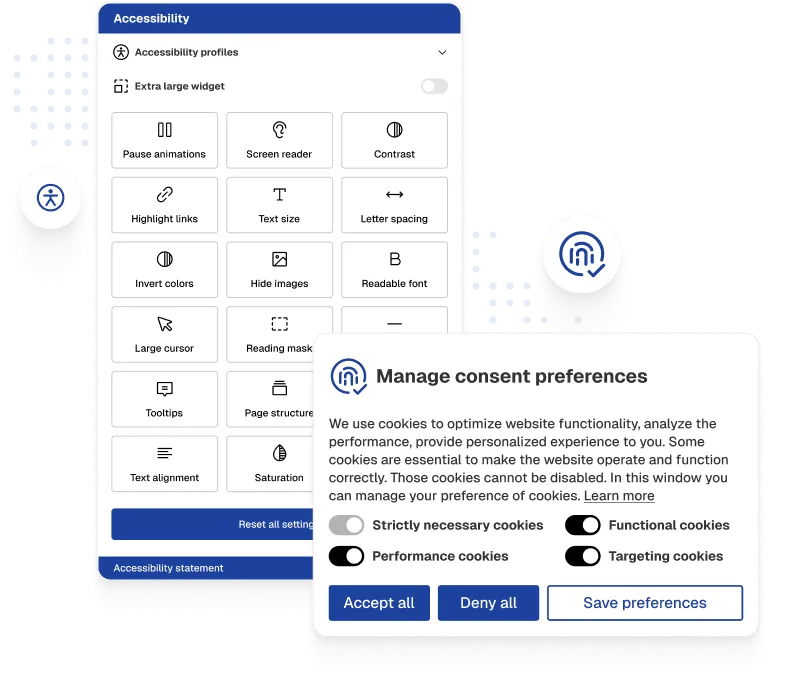
A robust consent management strategy is essential for maintaining transparency and ensuring that processing purposes are clearly communicated. Organizations should deploy a consent management platform that enables users to provide explicit consent for specific uses of their data, particularly for cookies and tracking technologies.
Consent records must include detailed metadata, such as the time of consent, the purposes agreed to, and the legal basis for processing. This information is critical for demonstrating compliance and responding to regulatory requests. If processing purposes change, organizations must update their privacy notices and, where necessary, obtain new consent to ensure continued lawfulness.
Transparency is not a one-time requirement but an ongoing obligation. Organizations must ensure that all data processing activities are communicated in clear and plain language, reinforcing trust and supporting data privacy expectations.
Data Transfers And Cross-Border Considerations In The European Union
Data transfers, especially international transfers, introduce additional complexity to purpose limitation. Organizations must map all cross-border data flows and assess whether recipient countries provide an adequate level of data protection. This includes evaluating appropriate safeguards, such as Standard Contractual Clauses.
When transferring data, organizations must ensure that the processing purposes remain consistent with the original purpose. Any deviation may require a new lawful basis or compatible legal basis, depending on the circumstances. Documentation of data transfers should be integrated into the organization’s privacy program, ensuring full visibility and control.
Failure to manage international transfers properly can lead to regulatory penalties and increased risk of data breaches. Therefore, organizations must adopt strong organizational measures and technical controls to ensure appropriate security and prevent unauthorized access.
Organization’s Privacy Program And GDPR Principles Integration
An effective organization’s privacy program must embed purpose limitation into its core policies and procedures. This includes integrating the principle into privacy policies, internal guidelines, and employee training programs. By doing so, organizations can ensure consistent application across all processing activities.
Assigning clear roles and responsibilities is also essential. Data protection officers and compliance teams should oversee processing purposes, ensuring alignment with gdpr principles and identifying potential risks. Regular reviews of processing data help maintain alignment with evolving business needs and regulatory expectations.
By embedding purpose limitation into data governance, organizations can demonstrate compliance, reduce the likelihood of unlawful processing, and strengthen their overall gdpr compliance efforts.

Assessing New Purposes And Compatibility
When organizations wish to use data for a new purpose, they must conduct a compatibility assessment. The GDPR allows further processing only if it is compatible with the original purpose or supported by a new lawful basis.
Compatibility depends on several factors, including the relationship between the original and new purposes, the context of data collection, and the expectations of data subjects. For example, using purchase data for customer support may be compatible, while using it for unrelated marketing may not be.
If the new use is incompatible, organizations must obtain new consent or identify another valid legal basis, such as legal obligation, vital interests, or public interest. This ensures that all processing of personal data remains lawful and transparent.
Compatibility Assessment Checklist
A structured approach to compatibility assessment is essential for ensuring compliance. Organizations should evaluate whether the new purpose aligns with the reasonable expectations of data subjects and whether it introduces additional risks.
They should also assess the nature of the data, particularly if it involves special category data, and consider the potential consequences for individuals. Implementing appropriate safeguards, such as encryption or pseudonymization, can help mitigate risks and support a finding of compatibility.
Finally, organizations must document the outcome of the assessment, including the legal rationale and any organizational measures implemented. This documentation is critical for demonstrating compliance during audits or regulatory reviews.
Records, Audits, And Accountability
Maintaining comprehensive records is a key requirement under the GDPR. Organizations must document all processing activities, including the specified purposes, legal basis, and categories of personal data involved.
Regular audits should be conducted to ensure that actual processing data aligns with documented purposes. These audits help identify gaps, prevent data misuse, and support continuous improvement in data governance practices.
Accountability is a fundamental principle of the GDPR, requiring organizations to not only comply but also demonstrate compliance. By maintaining detailed records and conducting regular reviews, organizations can meet this requirement effectively.
Common Pitfalls And Remediation
One of the most common pitfalls is the use of vague or overly broad purpose statements. Such practices undermine transparency and increase the risk of unlawful processing. Organizations must ensure that all processing purposes are specific, clear, and aligned with actual business activities.
Another issue is failing to reassess purposes when business needs change. Continuing to process data for incompatible purposes can lead to enforcement actions and reputational damage. Organizations should stop such processing immediately and take corrective action.
Remediation may involve obtaining new consent, identifying a new lawful basis, or ceasing the processing activity altogether. Prompt action is essential to minimize risk and maintain regulatory compliance.
How Pandectes Helps Shopify Stores Meet Purpose Limitation
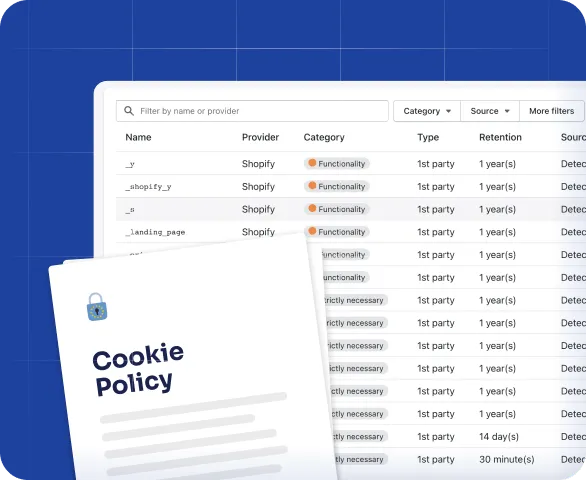
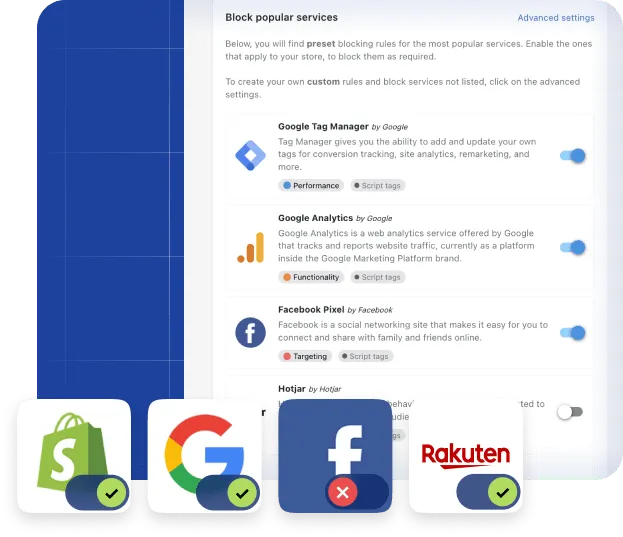
Pandectes provides tools that support gdpr compliance by aligning data collection and processing purposes with regulatory requirements. For Shopify stores, it enables automated scanning to detect cookies and third-party trackers, ensuring full visibility into data collected.
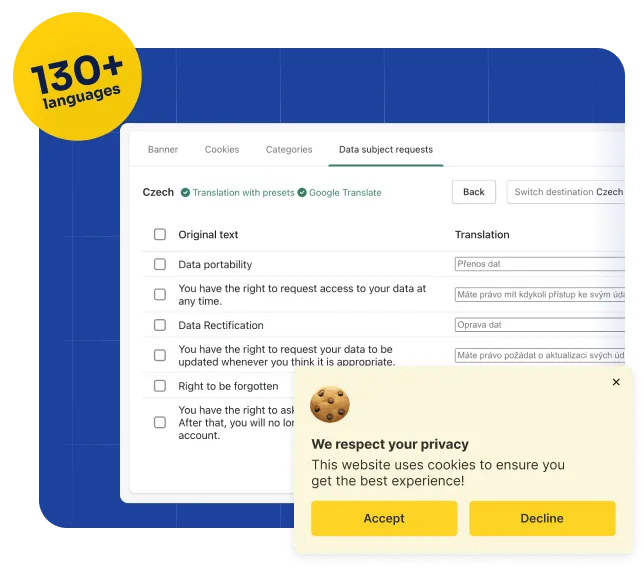
The platform helps generate multilingual privacy notices that clearly outline specified purposes, supporting transparency and consent management. By integrating a robust CMP, Pandectes ensures that consent is obtained and recorded in accordance with GDPR requirements.
Additionally, Pandectes logs consent events and provides audit-ready documentation, enabling organizations to demonstrate compliance and respond effectively to regulatory inquiries. This supports a strong organization’s privacy program and reduces the risk of data misuse.
Checklist For GDPR Compliance And Purpose Limitation
To ensure alignment with the purpose limitation principle, organizations should:
- Verify that all processing activities have documented specified purposes
- Ensure privacy notices clearly list each processing purpose
- Confirm that a valid lawful basis exists for every purpose
- Validate consent records for consent-based processing
- Align storage limitation policies with defined purposes
- Test data flows to prevent incompatible reuse
Conclusion
Organizations seeking to strengthen their approach to purpose limitation should consult guidance from European data protection bodies and the UK Information Commissioner’s Office, which provide detailed recommendations on compatibility and lawful processing.
For complex or high-risk scenarios, such as large-scale data processing, special category data, or extensive international transfers, legal counsel should be engaged to ensure full compliance with data protection law. By taking a proactive approach, organizations can build a sustainable framework for data privacy, reduce risk, and enhance trust with data subjects.