
Blog
Page 35 of 40

6 Ways to Scale Your Shopify Store & Sell More
In the process, you have many things to do, in the post, we will work out 6 impressive ways to scale your Shopify store and get more sales when the new year is coming. Without any hesitation, let's start exploring now!
PIPL: Overview of China's Personal Information Protection Law
Learn about China's Personal Information Protection Law (PIPL), the new data privacy regulation that impacts businesses operating in China.
Thailand's Personal Data Protection Act: A privacy law to be aware of
Thailand's Personal Data Protection Act (PDPA) is one such law that aims to protect individuals' personal data and privacy.
TikTok fined 5 million euros by the CNIL
CNIL fined TikTok 5 million euros. This highlights the importance of transparency and user consent in handling personal data.
Exploring data subject rights
Under the General Data Protection Regulation (GDPR), individuals have specific rights regarding their personal data. These rights are known as data subject rights.
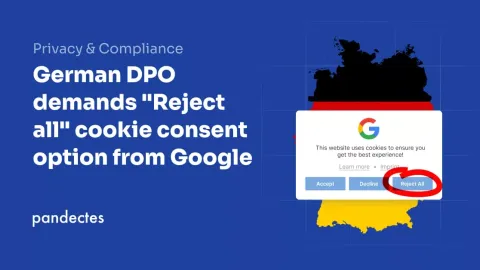
German DPO demands "reject all" cookie consent option from Google
Google, a multinational technology company, has faced scrutiny from the German Commissioner for Data Protection and Freedom of Information (HmbBfDI) regarding its cookie consent banners.
Data Privacy and Artificial Intelligence (AI)
Discover how data privacy regulations and technological advances can help protect user privacy in today's AI-driven world.
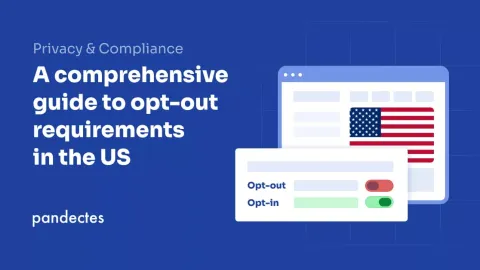
A comprehensive guide to opt-out requirements in the US
Compliance with opt-out requirements is not only a legal obligation but also a strategic business imperative in today's privacy-conscious landscape.
What’s new in Pandectes 3.5.134
Discover the latest Pandectes app update with new features including CCPA compliance options, improved Shopify integrations, and enhanced geolocation and translation support. Explore how these updates can improve your app experience.
The EU Cookie Law: What businesses need to know and how to comply
The EU cookie law is an important piece of legislation, as noted previously, that can pose challenges for e-commerce businesses.