
 Install free
Andromachi Psomiadi
Page 7 of 20
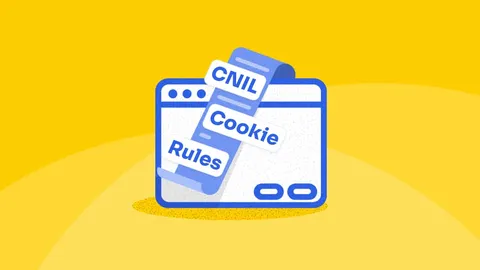
CNIL Cookie Rules Explained: Compliance Guide for Marketers
Learn CNIL cookie compliance requirements, including consent rules, cookie categories, and how to implement compliant consent banners.

What Businesses Should Know About Google’s Third-Party Cookie Changes
Learn how third party cookies changes impact digital marketing, and how to use first party data, consent, and server-side tracking.

Server-Side Tagging and Tracking: A Marketer’s Guide for 2026
Learn how server side tagging improves data accuracy, performance, and privacy compliance while boosting marketing ROI and tracking.
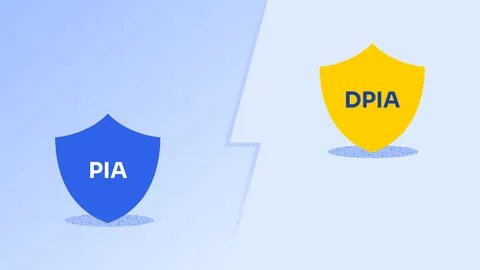
Understanding the Difference Between PIA and DPIA
Learn the difference between PIA and DPIA, including legal requirements, risk assessment processes, and GDPR compliance obligations.
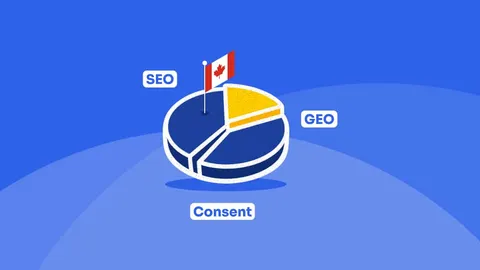
SEO, GEO, and Consent: How Privacy Rules Shape Website Performance in Canada
Learn how SEO, generative engine optimization, and privacy compliance under PIPEDA impact website performance and marketing in Canada.
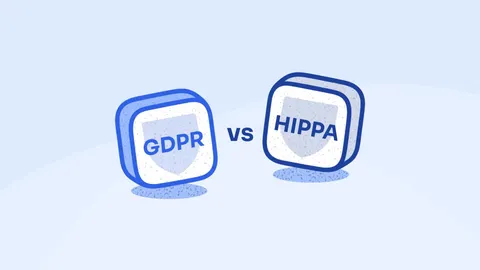
GDPR vs HIPAA: Key Differences and Shared Compliance Strategies
Understand the differences between GDPR and HIPAA, including scope, data protection rules, patient rights, and compliance requirements.

Labeling AI-Generated Content: What the New Rules Require
Learn AI generated content labeling requirements under the EU AI Act, including transparency rules, metadata standards, and compliance steps.
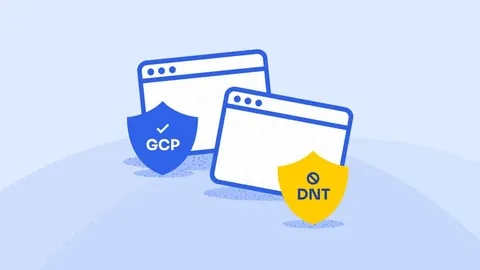
Global Privacy Control vs. Do Not Track: What's Legally Enforceable in 2026
Learn the difference between Global Privacy Control and Do Not Track, and why GPC is the legally opt-out signal under U.S. privacy laws.

Understanding the UAE’s Personal Data Protection Law
Learn the UAE Personal Data Protection Law requirements, including data subject rights, cross-border transfers, and data security.

Global Privacy Control Explained: The New U.S. Opt‑Out Standard
Global Privacy Control (GPC) is a browser signal that tells websites not to sell or share your data. How it works and which U.S. states require it.